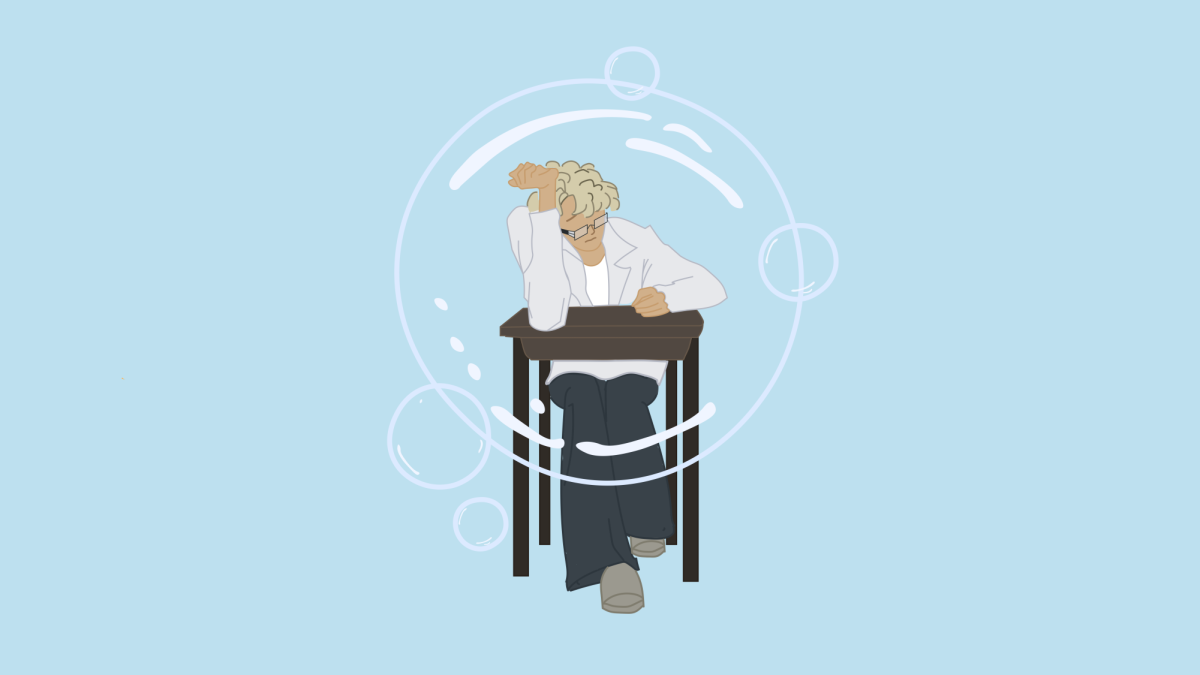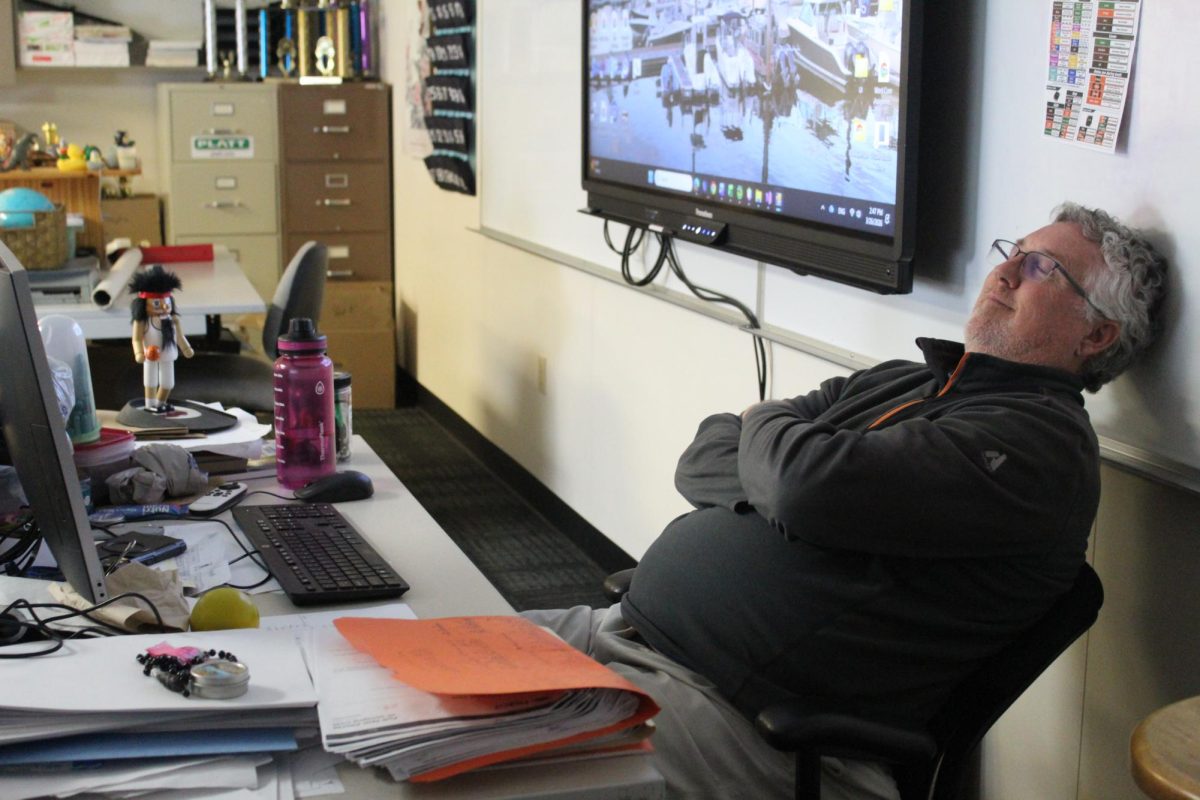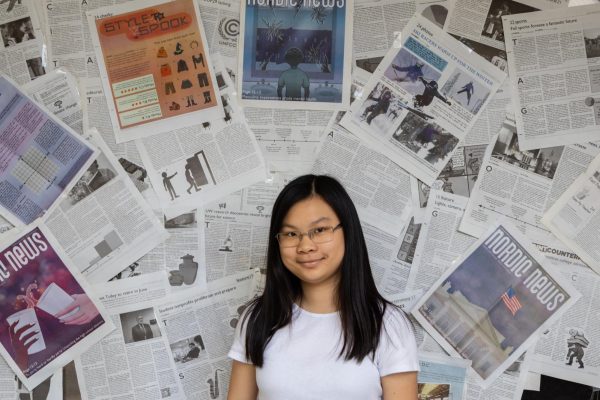


For some students, the other languages they speak are more than a way to communicate at home — they are part of an unofficial responsibility. Senior Rachel Li (she/her) translates words and phrases for her mom, who moved from China to the U.S. 27 years ago. Li began translating from English to Cantonese for her mom at age 12 and continues to assist her mom with work- related tasks as a cafeteria lady.
“I would help her translate the safety modules, and I think I helped her get her safety license,” Li said. “When she needed to interview, I would sit in the back and help her translate questions she didn’t really understand.”
Senior Kevin Phan (he/ him) translates from English to Vietnamese for his grandparents, who moved to the U.S. in their 40s. Having taken up the role of translating from his parents when he was 10 years old, Phan said that he helps translate doctor’s appointments and various mail, including drivers’ licenses or home expenses.
He estimates that he spends 2-4 hours every week translating. Because of the time he spends translating, Phan said that he is sometimes late to his classes or events. Nevertheless, he tries to make sure that translating appointments don’t interfere with his schedule.
“Sometimes, the doctor will just give us a (time) range, and he’ll be like, ‘okay, we’re gonna call from 8 a.m. to 12 p.m,’” Phan said. “And then I know I can block off that and then make sure I have time to translate and still get my stuff done.”
Similarly, senior Kateryna Boiko (any pronouns) also translates on short notice. Boiko’s immediate family immigrated from Ukraine when Boiko was 5 years old. Boiko translates between Russian and English for their grandmother, who speaks minimal English and later joined Boiko’s family as a refugee. Any time their grandmother goes out in public or to church, either Boiko or their sister must be nearby to help.
“Our family is really bad about warning us,” Boiko said. “More often than not, if it is medical information or a conversation, we don’t know until five minutes before we need to translate.”
Boiko said that they translate for around 3.5-5 hours every week. In contrast, junior Nathan Dolimier (he/him) said that he translates for no more than 10 minutes every day for his family, who predominately speak French, and for his friends, who live in France and don’t understand English. When translating, Dolimier said that he must navigate the differences between cultures.
“Sometimes there are expressions — ways of saying things — that can’t really be translated that are hard to explain, like jokes or barriers by language,” Dolimier said.
From their experience translating, Boiko said they have grown to be vigilant of how different words could be interpreted. They said that because their vocabulary is much stronger in English than in Russian, they have to find creative ways to translate from more specific English words into the Russian words that they know.
“Oftentimes, if I’m explaining to my grandma what we’re doing in ballet, I won’t know the Russian terms for it,” Boiko said. “I’ll just be like, ‘oh, it’s a spinny thing.’” Boiko occasionally finds themself reluctant to translate basic information. Nevertheless, from building their vocabulary to maintaining their skills in speaking Russian, they said that they are grateful for the experience.
“A lot of the time, it is kind of fun because I get to try and figure out how to translate information, how to explain what she’s saying to other people and then how to explain other people’s jokes in a way that would translate to Russian and still be funny,” Boiko said.
Dolimier said that the main skill he has learned is patience when translating between not only a different language but also a different culture. For Phan, he said that beyond improving his time management skills, he’s learned to become more self aware of how his words come off.
“If there are things that are urgent — let’s say they got a parking ticket or the doctor says that they need to get surgery for something — sometimes it’s easy to just brush over that and make it seem like a general statement,” Phan said. “Because Vietnamese can be an aggressive sounding language, sometimes it’s hard to tell what’s urgent and what’s not.”
Compared to students who can only speak other languages conversationally and don’t know very technical words, Phan said he became familiar with medical terminology in Vietnamese by listening to his mom, a pharmacist, as he grew up. In general, he said he enjoys putting effort into learning Vietnamese.
“It makes you feel accomplished. A little accomplished just because it’s like, ‘oh, wow, I’m smart enough to do that,’” Phan said. “Overall, it’s satisfying and rewarding. I can help my grandparents a little bit, and they can come to me when they have problems.”