

After a record high of 1,340 deaths in 2023, overdose fatalities in King County are declining, according to the King County Overdose Deaths Data Dashboard. This comes nearly six years after the onset of the COVID-19 pandemic, which resulted in fewer accessible services, higher unemployment rates and worsened uncertainty of the future, leading to high counts of overdose deaths. Since then, local efforts in King County have focused on the dissemination of harm reduction supplies, overdose reversal medication and valuable educational resources to the general public.
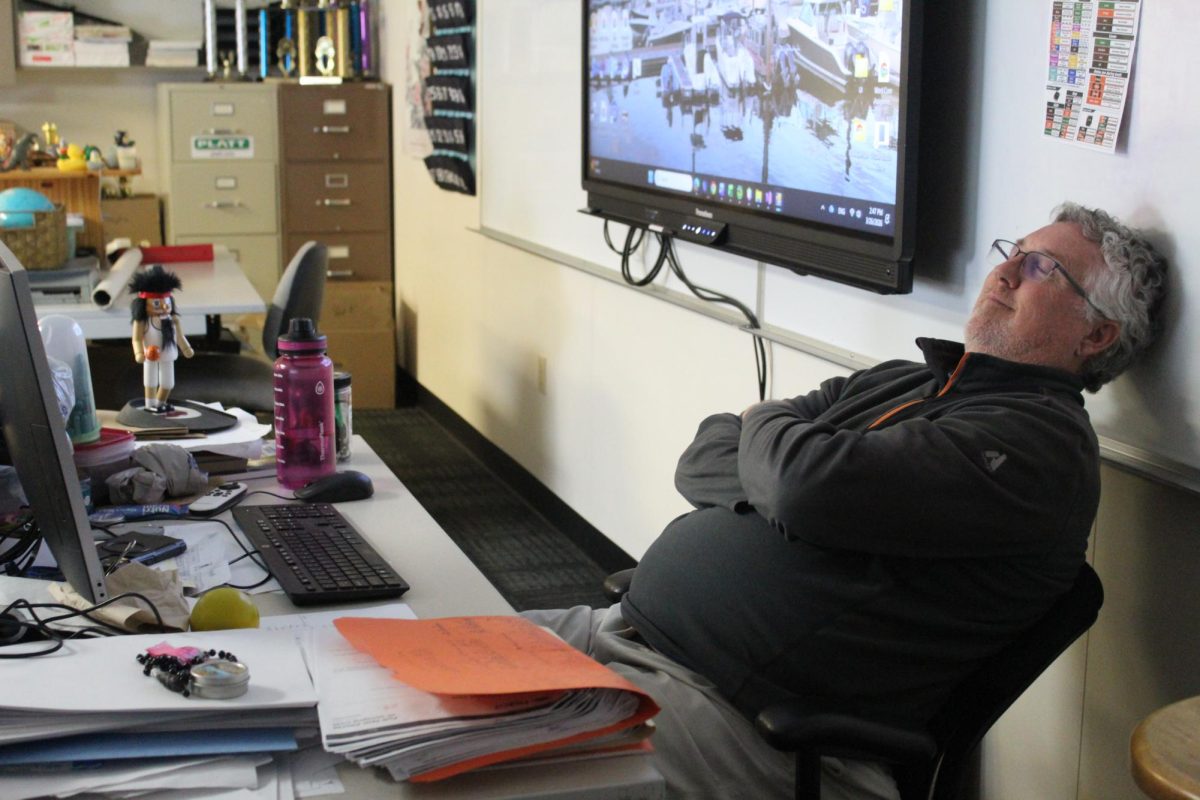
A communications specialist on King County’s Overdose Prevention and Response Team, Ellis Johnson (he/they) oversees King County’s Public Information Program. He attributes the increased use of opioids to the social isolation and decreased access to mental health services that occurred during the COVID-19 pandemic.
“People were having a hard time during the pandemic — mentally and emotionally — and that can often lead to or compound existing substance use,” Johnson said. “That, combined with the difficulties of the pandemic in providing services, may have played a role.”
Additionally, Johnson said King County’s Overdose Prevention and Response Team saw an influx of synthetic fentanyl appearing illegally on King County’s streets in 2020. Alison Newman (she/her), who works as Program Operations Specialist at the Center for Community Engaged Drug Education, Epidemiology and Research at the University of Washington, said this appearance of fentanyl is concerning due to unpredictable concentrations in the consumption of illegal pills or powders.
“We use a chocolate chip cookie analogy, where one cookie can have almost no chips in it and one have almost all chips,” Newman said. “That’s sort of what it’s like with fentanyl. You don’t know how much you’re getting, and the likelihood that you’re going to overdose is much, much higher because of that variability.”
As the opioid epidemic continues to impact King County, certain demographics have been disproportionately affected. This vulnerability to substance use disorder is strongly shaped by access to health care, housing, employment opportunities and incarceration history.
“Substance use is something that intersects with a lot of other inequities in our communities — in our society —that can make it harder to get help,” Johnson said. “People who feel ashamed about their substance use and who are experiencing stigma about their substance use are a lot less likely to ask for help and find the support they need to find recovery. That can make someone more likely to be using secretly, to not be getting help and be more likely to overdose.”
King County has developed accessible ways to carry out effective and quick civilian responses to overdoses, most notably through the distribution of naloxone: a medication — often the brand Narcan — that can be used to reverse an opioid overdose through nasal spray or an injection. In the past five years, an estimated 10,000 overdose prevention items have been dispensed through free vending machines throughout King County. Those who are not comfortable picking up naloxone in person can order it for free and receive it via delivery in generic packaging. Campaigns such as the state-run Friends for Life campaign and the Laced and Lethal campaign by King County Public Health provide educational resources for teens on the risks, identification and responses to fentanyl use.
Another King County program is a 24-hour telehealth hotline for buprenorphine, launched in 2024. Buprenorphine, which helps relieve withdrawal symptoms, significantly reduces one’s risk of overdose by about 50%. This public resource has enabled residents, including teens, to call and get a same-day telehealth visit with a doctor for a prescription of buprenorphine.
“We have served over 1,500 unique patients so far in the last two years to help them get the support that they need to either reduce their opioid use or stop using opioids entirely,” Johnson said. “That programalso provides referral to ongoing care to meet people’s needs.”
In Jan. 2026, this hotline expanded statewide, allowing anyone in Washington to call and get a same day prescription. This can be effective for teenagers who may struggle with opioid use disorder.
“There’s an idea that people should just stop using — that it should be about willpower — but we know that that’s not necessarily likely to be effective. We do know that medications are really effective, even for teenagers,” Newman said. “We want every teenager to make it to adulthood and if medications are part of that, I think that’s really important to let people know that’s okay.”
Additionally, both Johnson and Newman emphasize the importance of carrying naloxone and knowing how to use it. Above all, approaching this topic with respect and empathy can make a difference in overcoming stigma.
“The way that we talk about substance use and about people who use drugs can really have a big impact on our peers. You never know when someone is struggling with substance use themselves. You also never know when they’ve struggled with it in their family, if they’ve lost someone to overdose,” Johnson said. “It’s really important to be thoughtful about how you’re talking about this issue and how you’re not stigmatizing and putting down the people who are struggling with their substance use and need our help.”
Additional Info:
WA Telebuprenorphine hotline:
(206) 286 – 0287 available 9:00 AM – 9:00 PM
WA Recovery Help Line:
(866) 789 – 1511 available 24 hrs, 7 days/week
Harm reduction vending machine locations in Seattle, WA:
- Peer Seattle
- Compass Day Center
- YouthCare’s Orion Center