
As the excitement for new gifts floods December, it is important to recognize the lasting potential giving can have for recipients who truly need it, beyond the fleeting contentment from personal consumption. Although this holiday season is well-known for happiness and warmth — as highlighted by traditional holiday movies and children’s fairytales — this is not a universal experience for all members of the community. Those currently living with unstable incomes or housing may often struggle to buy gifts for the holiday season. Even though the holidays are supposed to be a time for selflessness and gratitude, they have recently become more about personal consumption than prioritizing connection with family and local communities. The spirit of giving back should extend to those outside of familial groups, and consumers should strive to serve others through positive community impact. Otherwise, personal desires trump compassion and community needs in a time that is supposed to be about sharing festivity and joy with others.
The month-long federal government shutdown in October exacerbated financial hardships for those who may have already lacked the privilege to buy expensive gifts or holiday trips. Limitations to Medicaid and the Supplemental Nutrition Assistance Program have further burdened populations who were already living paycheck to paycheck and left little to no room for nutrient-rich meals and essential clothing items, let alone gifts. The Bank of America Institute found that nearly one-fourth of American households spend over 95% of household income on necessities, leaving minimal to no room for wants, and highlighting the stark gap between socioeconomic groups. Purchasing holiday gifts isn’t feasible for all families, even if they work overtime. Emergency funds for bills, rent, family health crises, financial safeguards or rising food costs in grocery stores nationwide take priority, especially in times of economic unpredictability.
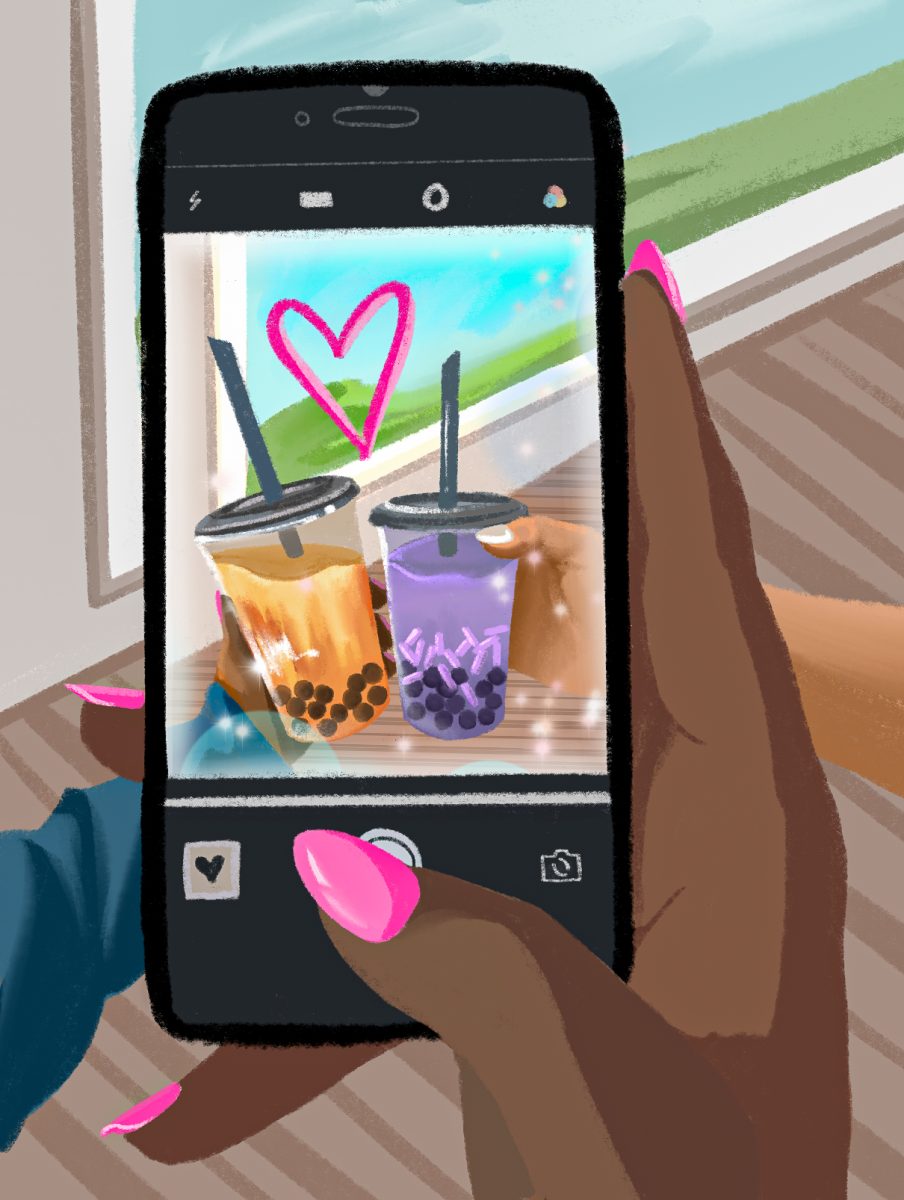
Despite these hardships, many younger people without financial responsibilities and adults who have disposable incomes choose to look inward and plan expensive purchases, from the latest iPhone model to limited edition collectibles, spending absurd amounts of money on gifts for themselves, close friends or family members who already have similar items in good condition. Notably, materialistic practices on social media in recent years have highlighted personal greed associated with the holidays. This behavior is then interpreted by teens, who are the main audience of influencers and are more likely to discuss, share or recreate trends with their friends. Not only do they feel fulfilled by participating in these trends because it allows them to feel like they fit in, but they also often only give gifts to friends and family. This causes them to overlook imperative community support towards those most in need in local areas.
While many often focus on splurging on family and friends, a study with over 2,000 American participants has found that 62% prefer personalized and handmade gifts, yet the amount consumers spend on gifts is, on average, around $900 per person. Consumers should balance making gifts with purchasing mass-produced goods, especially when it comes to buying nice gifts that they know familial groups are already able to afford themselves. This reduced amount spent on costly gifts for already financially secure relatives or friends can instead be put towards providing essentials during winter for those who are currently lacking them.
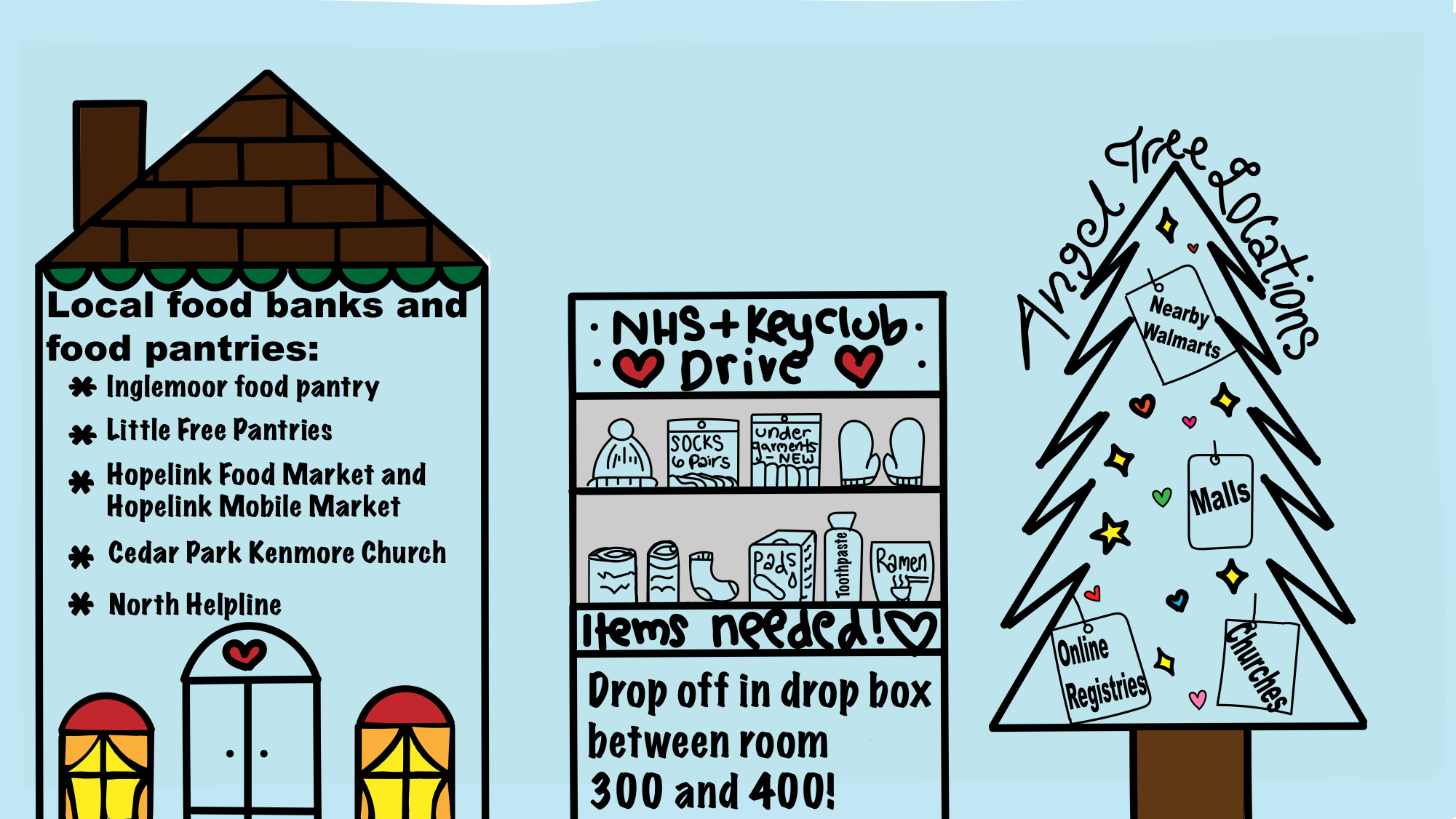
Besides gifts based on the interests of the recipient, gift motives are heavily driven by trends. Popular and cheaper items are often mass-produced at affordable costs, feeding wide-scale and privileged overconsumption of surplus items. These consumers are often unaware of — or purposefully oblivious to — the unethical labor practices that enable low-cost production, serving as the backbone for company savings. While some influencers use their platform to put community at the core of change via videos like Salvation Army’s Angel Tree shopping, where families or individuals can purchase youth or elderly wishlists in grocery stores, others feed their drive for personal overconsumption. This is seen through tireless hunts and frenzies for the current “limited edition” or “rare” items — a testimony to the community disconnect, as King County makes up 50% of unsheltered populations in Washington State. This infatuation plagues those who need support the most as it wastes resources that could be used for more meaningful and pressing causes, especially during a season originally characterized by kindness and generosity. People should be more concerned with helping those who are unhoused by buying clothing or donating food. Although it has been clear that true change is not a priority during influencers’ rise to fame in the past, those with status and a following should seek to use their platform to encourage altruistic change.
Influencers, as well as the general population, have misused their social media platforms by publicizing line-camping. This is the process of waiting outside, sometimes overnight, for stores like Target or Starbucks to open. Influencers rush to buy items like limited edition Stanleys and Starbucks glass bear cups featured on social media feeds. Many influencers, or those with higher incomes, have more of a capability to provide for others but the privileged “need” they put forth to obtain such items simply due to personal fixation sets the wrong type of precedent to the younger population. Social media trends showcasing lengthy hunts for these items portray trivial objects as indispensable needs, yet these influencers remain oblivious to the prevalent and major global issues. Meanwhile, this infatuation indirectly plagues those who need support the most because it detracts from the giving spirit of Christmas and wastes resources that could be used for more meaningful and pressing causes. Despite the season of giving, many of the mesmerized and immersed followers of the latest “trendy” frenzies sell the items they fought others for. These items can be sold for hundreds of dollars online, and this greed-stemmed drive should instead be directed towards giving back. Even items that are plentiful in stock but catch buyers’ eyes with their newest and most enticing features, such as the latest iPhone 17, are still added to influencers’ 50+ item wishlist or Christmas hauls. This is once again proof of the wasteful personal greed and mindless consumption that fills the holiday air, despite being non-essential and adding to an individual’s carbon footprint. Many of the perfectly functioning iPhones, Ugg slippers and Stanleys that people already possess are meant to be reused and don’t need to be repurchased just for the sake of having the newest and most popular items.
While many publicized items like iPhones, Stanleys and Uggs are meant to last, many who are less fortunate keep what they already have as more of a necessity rather than a choice, regardless of the conditions of their items. Kindness and compassion from community members can save many lives by ensuring warmth and adequate food during the holidays; these are the choices that people should put time, energy and money into. Even if one can’t donate large sums, donating food, gift cards, small toys or small amounts of money can make a significant difference to the Salvation Army, Angel Tree, unhoused individuals and local shelters. Besides monetary generosity, time spent volunteering or cooking a meal for shelters can also help those who are less fortunate. There are numerous shelters, both for those affected by domestic violence and for those unhoused in the Greater Seattle area. Salvation Army: Hickman House, The Sophia Way, Mary’s Place, YMCA Family Village and Lake City Partners are notable locations and have been a cornerstone for warm meals and a safe place. Additionally, people can support veterans by sending care packages, support unhoused people and pet owners who struggle with pet food insecurity by contributing to vital food banks in their local area or donate to local drives such as Inglemoor’s club-hosted drives by National Honor Society or Key Club.
At the end of the day, and at the end of this year, keeping vulnerable and less fortunate communities at the forefront of our minds this holiday season is crucial to setting the right habits for 2026 and beyond. Socioeconomic levels should not be a barrier to enjoying the holidays. Instead, it should be a merry time for everyone. No matter how much you are able to spend, generosity and community care does not have to come in the form of countless gifts or monetary donations to make an impact — it can come from using platforms to repost mindful trends, supporting cognizant influencers who use their platform to spread awareness on pertinent issues, volunteering, making food for shelters or those unhoused, hosting a donation drive and ultimately, thinking about others beyond oneself.