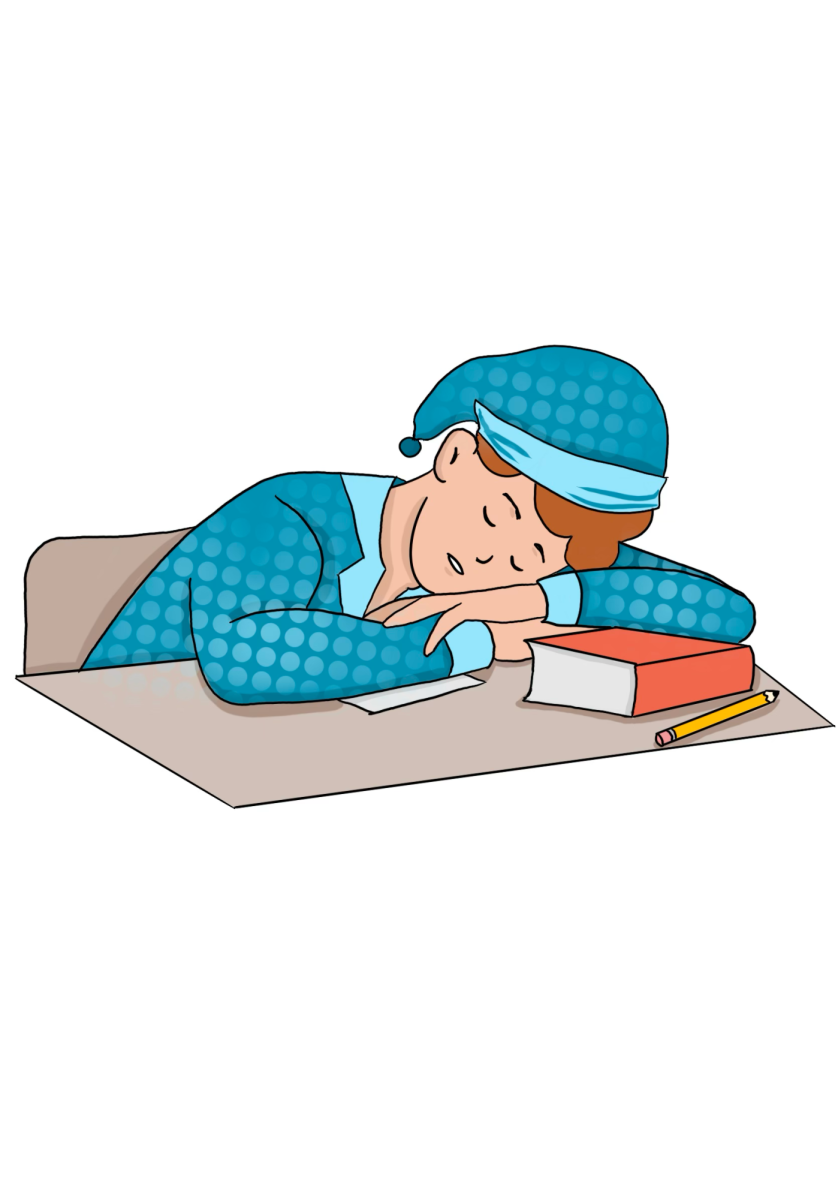
Not every piece of clothing is appropriate for every environment. Bathrobes are not typically acceptable to wear to a museum and a tracksuit is not worn to a fancy restaurant. Just like how a swimsuit is only worn to the beach or pool, pajamas should only be worn in the comfort of one’s home. In recent times, however, the practice of wearing pajamas to school has become more and more popular. The idea that students should be able to wear pajamas to school is, frankly, absurd.
When a student enters the classroom, teachers expect them to follow their directions and pay attention. Students communicate that they are going to listen and behave by making the decision to stop talking and be seated by the bell. Similarly, students’ outfits should convey that they are ready and willing to learn, not that they want to take a nap. Teachers and students are not equal. Teachers need to have more power than students in order to effectively control the classroom and teach as much as possible in a period, and proper choice of clothing on both ends helps to convey this idea to both parties.
Some students would argue that wearing pajamas promotes a more relaxed and comfortable atmosphere. Students naturally want to feel good in what they wear, and the allure of a simple clothing option in the morning is quite enticing for a student who, more than likely, did not get enough sleep the night before.
The problem with pajamas is not that students feel comfortable in pajamas — it’s the cognitive processes lost by wearing informal clothing. Wearing formal clothing can increase abstract processing, according to Columbia University. Abstract processing is the higher level of thought that considers the reasons behind actions and their effects. For example, a lower level and less abstract definition of voting would simply be marking a ballot, while a more abstract definition is influencing the results of an election.People wear pajamas to feel relaxed and comfortable, but when being comfortable sacrifices a higher level of mental processing, people should avoid pajamas.
The study determined formality of clothing relatively, using the subject’s perception of clothing when compared to their own and other people’s outfits. Since formality of clothing in the study was determined by comparison, merely dressing a little less informally than normal can have results. Students do not need to come to school dressed like they’re going to prom to make a difference, they just need to put in a little more effort than normal.
The overly-relaxed nature of wearing pajamas to school presents a problem. The benefit of wearing more-comfortable clothing does not outweigh the downsides of potentially reduced thought process and a general lack of respect. Overall, pajamas are a comfortable and convenient choice of clothing — perfect for relaxing on the couch or going out to buy groceries — but are too-relaxed and casual for a learning environment.