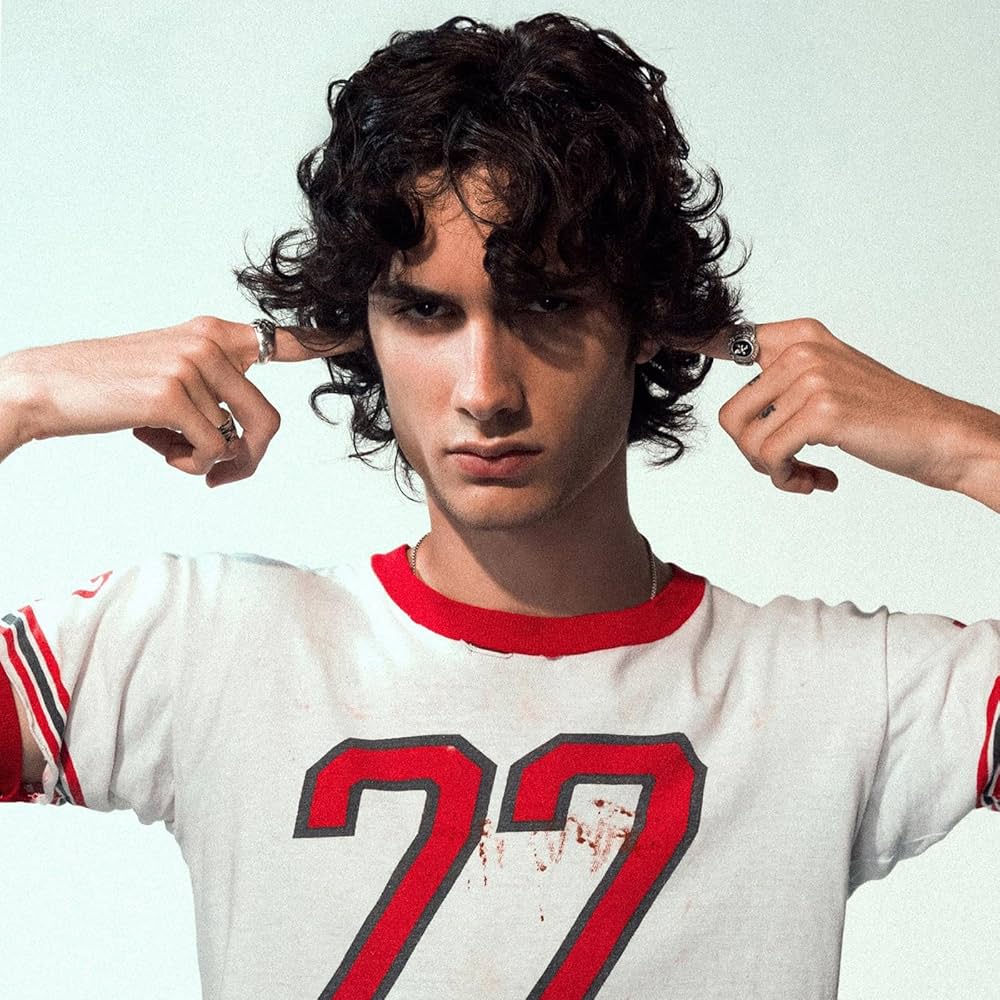
The feel-good era of music that was the 2010’s pop scene had many icons, one of which being Bruno Mars and his signature four-chord progressions. Although simple, they captured the ears and hearts of the media during that decade and gave listeners the catchy and earworm-worthy melodies that remain iconic to this day. Mars’ success in the pop genre has earned him a multitude of Grammy awards: Best Male Pop Vocal Performance (2011), Best Pop Vocal Album (2012) and Best Pop Duo/Group Performance (2014). Today, Mars continues to amass accolades within this style of music, cementing his poster-boy status in the pop industry.
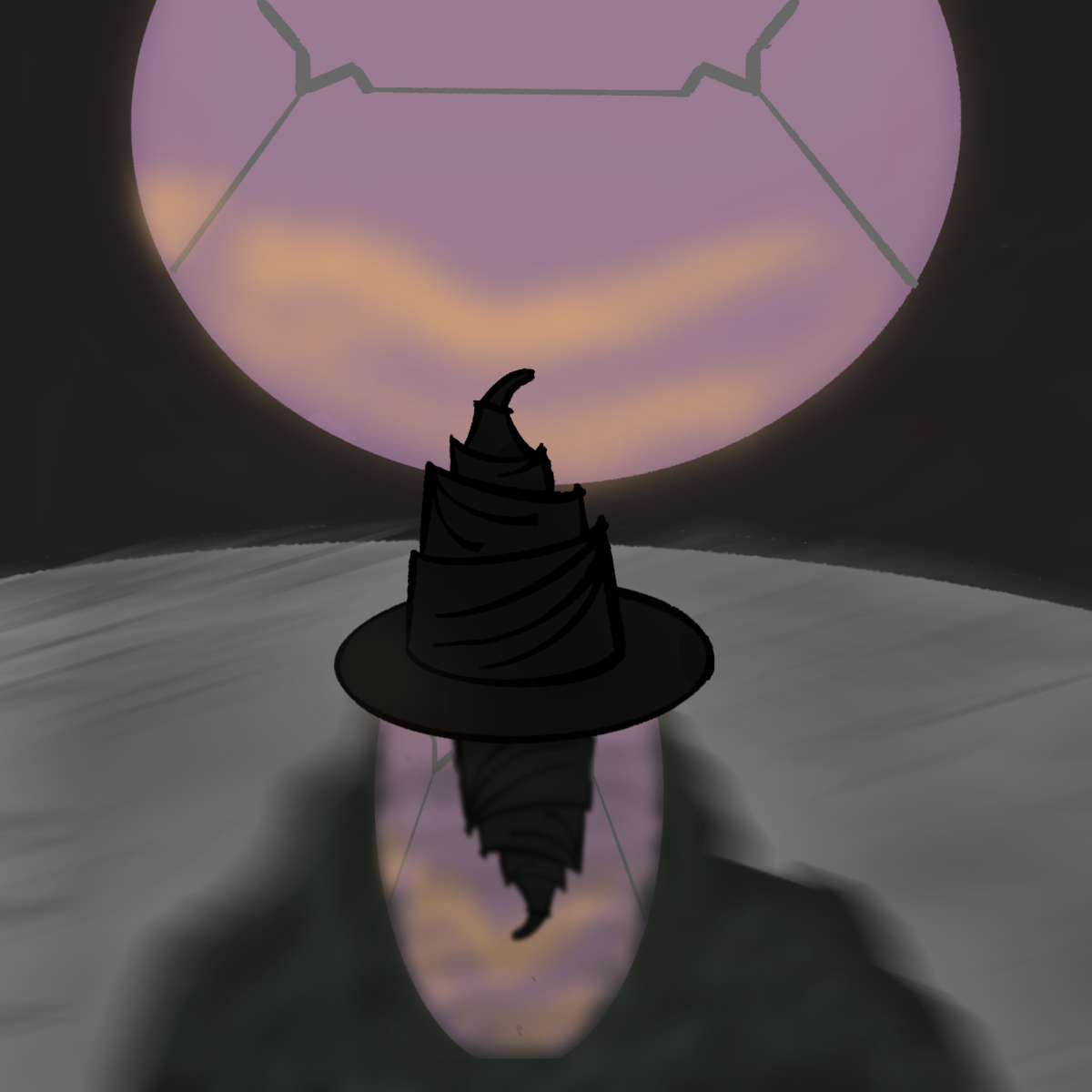
After a 10 year hiatus Bruno Mars released “The Romantic” in February. The album remains consistent with the nine-song tracklist of his previous album releases, but it explores soundscapes outside of his mainstream anthems. Instead of the lively, vivace pop hits that made him famous, Mars drew inspiration from his Puerto Rican descent with Latin-influenced soul in tandem with Latin jazz. This shift in tonality gave fans a solid album, but under a Latin-genre lens Mars fell short.
“Risk it All,” the album’s opener, is a slow, passionate Latin-style ballad where Mars tells a love story through beautiful chord progressions and Mars’ emotional vocal ability. The song sticks out featuring solely a six-string and layered singing, with only light drumming beneath delivering a more intimate listen. Soon after is “Cha Cha Cha,” which further deepens Mars’s exploration of Latin rhythms, featuring a syncopated clave beat and congas. Outside of being riddled by Latin instruments, the dynamics still come across as the polished pop Mars is so used to. Other notable songs include “Why You Wanna Fight,” with references to 1970s soul, and “Dance With Me,” which sounds like the quintessential first dance song one might hear at a beautiful wedding. “The Romantic” marks itself as a display of Mars’s more euphonious experimentation outside of his contemporary typecast.
It’s exciting to see a major music juggernaut such as Bruno Mars begin to veer outside of the pop genre. However, the majority of songs on “The Romantic” continue to follow the same “verse-chorus-verse-chorus-bridge-chorus” structure Mars has solidified pop hits. This similarity is a major pitfall of the album, with the record lacking any proper synthesis between Latin and pop. Instead of implementing more Latin songwriting, the album presents itself as just a standard commercial album with the mask of Latin instrumentation overtop. Even after ten years, Mars appears fearful to explore outside of his simplistic verse-chorus cage. Although this album is a step in a more stylistic direction, Mars partially missed the mark.
Nonetheless, many of the songs manage to deliver in the pop aspects Mars has perfected over the course of his career, giving audiences an enjoyable listen. “The Romantic” offers a fresh stylistic comeback by pop-icon Bruno Mars. Despite securing another period of his reign on the throne of pop music, hints of his old days by the jukebox reveal a lack of willingness to change from the genre that still consistently podiums western media. Hopefully, the pop-star continues to challenge his title in upcoming projects, with Mars more ready to risk it all.