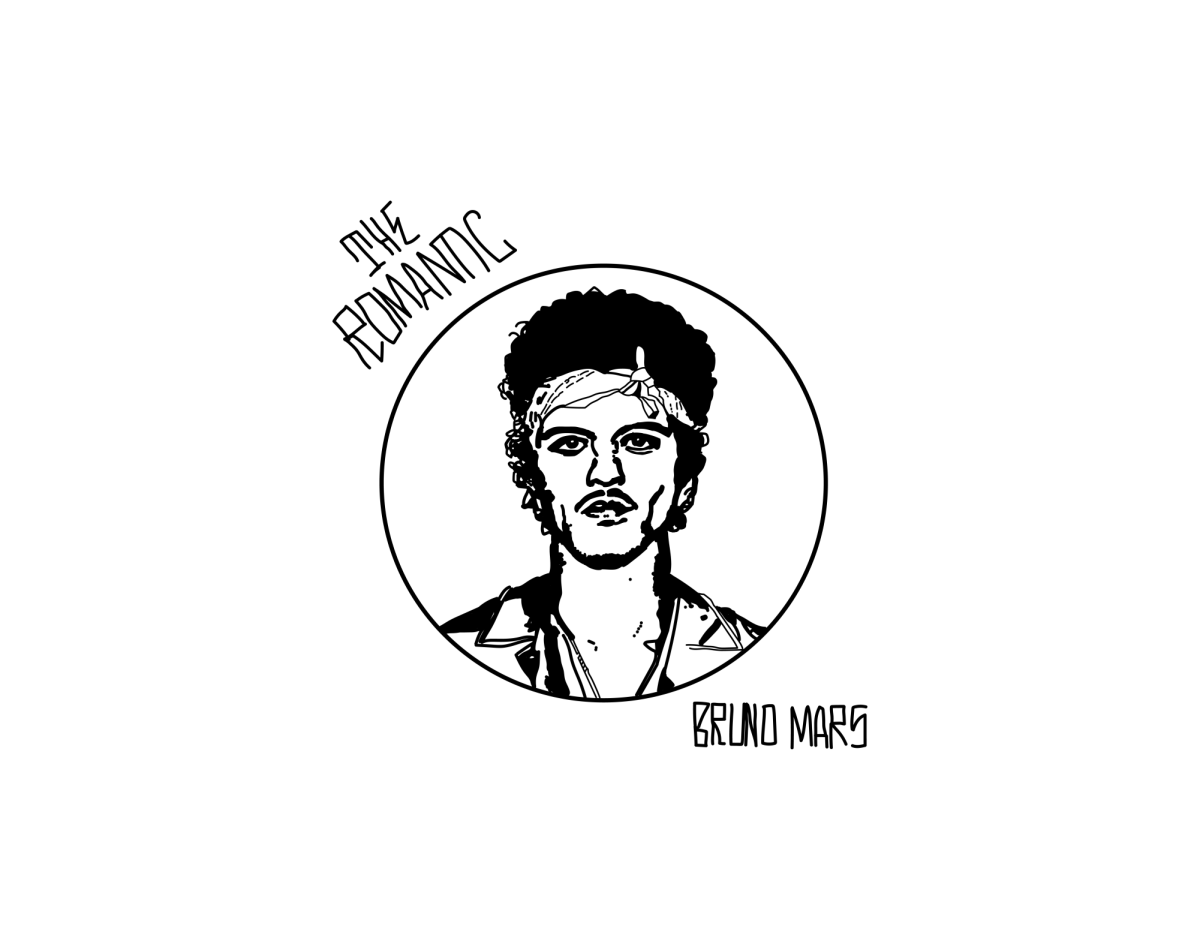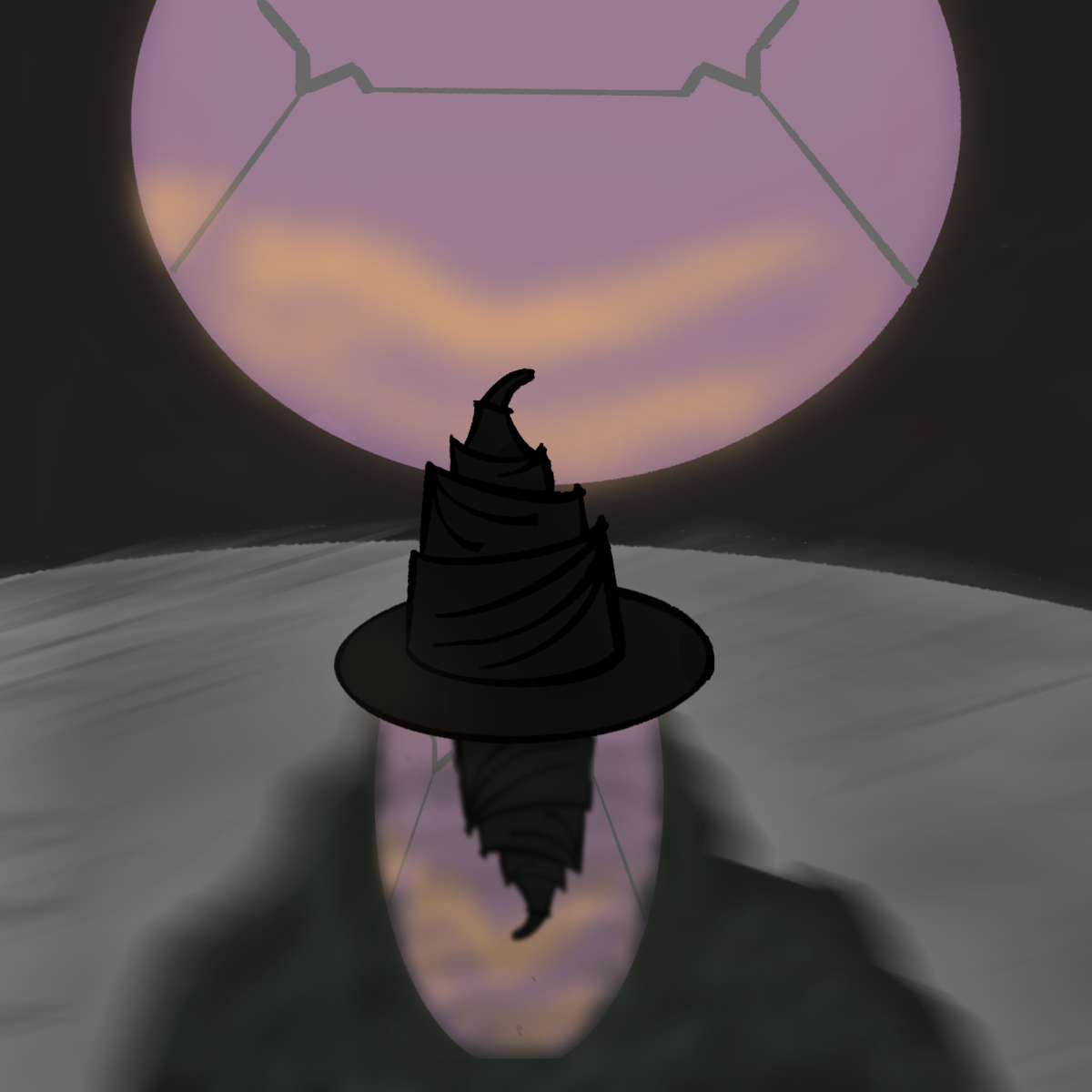

With talent among the band in melancholy guitar riffs to somber vocals, The Neighbourhood stands out as one of the most prominent names in alternative pop. Nearly topping Billboard charts in September 2017, they have been pushing the boundaries of the genre since their formation in 2013. Across their discography, the group’s diverse sound is evident, ranging from the slow-burning choruses of “Pretty Boy” to the bold melodies of “Softcore.” During The Neighbourhood’s emergence, the quintet released their first album, “I Love You,” featuring “Sweater Weather” and “Afraid,” which continue to rank among the band’s most streamed songs with nearly ten billion streams in total. After the album’s immense success shortly following its release, The Neighbourhood continued to challenge the limits of indie-rock with newer releases such as “Chip Chrome and the Mono Tones,” leaning towards their dream-pop aspects. However, their fifth and most recent studio album released on Nov. 14, 2025, “(((((ultraSOUND))))),” strays away from the band’s traditional 12-track format, expanding to 15 and totaling nearly an hour of dark and moody pop. Listeners link the return of the band back to their roots of the pop-culture phenomenon of the Tumblr era. A time of combat boots and eyeliner, the Tumblr era was considered the golden age for soft grunge or pastel goth aesthetics. This era of indie media was defined by The Neighbourhood alongside artists such as Arctic Monkeys and Lana Del Ray. The long-awaited pull back into what shaped the band during that era is presented in “(((((ultraSOUND))))),” unlocking nostalgia through swelling synths, floaty guitars and melancholic lyrics.
The album’s first half starts off strong with “Hula Girl.” Its catchy and calm ambience is emphasized by the lack of percussive energy. The album’s most captivating tracks follow a similar trend of a minimalist beat weaved with powerful guitar. Incredible songs like “Lovebomb” and “Mama Drama” are emotional and slow. Listeners can hear every intricacy in its production, making the tracks perfect for a late night drive. Shifting in intensity, “OMG” captivates the listener with its high energy blend of drums and vocals. The drums are evidently louder in this track, contrasting the mellowness of the surrounding songs. The mesmerizing beat has a clear kick that is also found in a later song, “Private.” Both tracks have catchy rhythms, particularly within its guitar parts. The upbeat attitude sets the two apart from the other easygoing songs on this album.
Despite the many pleasant phrases, songs such as “Holy Ghost,” “Daisy Chain” and the album’s closer “Lil Ol Me” fall behind in comparison to the album’s heavy hitters in its first half. The stark contrast in complexity between the album’s two halves makes the latter drag, with each song feeling repetitive and lacking in diversity. This flaw has led fans to find the album less memorable than previous releases.
After a five-year hiatus, “(((((ultraSOUND)))))” synthesizes the band’s many eras throughout their career and has secured a spot on the playlist. However, the second half is underwhelming when considering their large gap in album releases. Nonetheless, the album welcomes new listeners into the diverse tones of indie-pop while older listeners are thrown back into the nostalgic roots of The Neighbourhood.