Juggling early morning swim practices and evening homework, sophomore Rachel Kinzer (she/her) balances a busy schedule as a student athlete. She aims to sleep eight hours each night, but it’s not always possible.
“(On school nights) I’ll usually get six and a half to seven and a half hours,” Kinzer said. “If I get seven or more, I’m usually pretty average, but anything less, I do get pretty tired.”
Kinzer said the consequences of lost sleep reveal themselves during class. On days with less sleep, Kinzer struggles to take notes and retain information. While she doesn’t describe herself as severely sleep deprived, Kinzer said she notices signs of exhaustion among her peers during school.
Junior George Xu (he/him) also said that sleep deprivation is common in high school, and he doesn’t always get as much sleep as he hopes. On top of being a full-IB student, Xu takes programming classes outside of school and plays tennis. During tennis season, he said he often gets off of practice around seven, which leaves only so much time to work on homework.
“I’d usually sleep at 1 or 2 a.m.,” Xu said. “On the days I don’t get enough sleep, I almost always fall asleep in class. On days I do get enough sleep, I’m much more energetic.”
Xu said a lack of sleep could hinder students’ learning, leading to mood swings and lack of concentration during classes. Xu added that a demanding IB course load contributes to his stress, which affects his sleep.
“Freshman year, I definitely got much more sleep. All the classes were much easier,” Xu said. “Junior year, you’re focusing on extracurriculars, since you’re spending way more time preparing for college.”

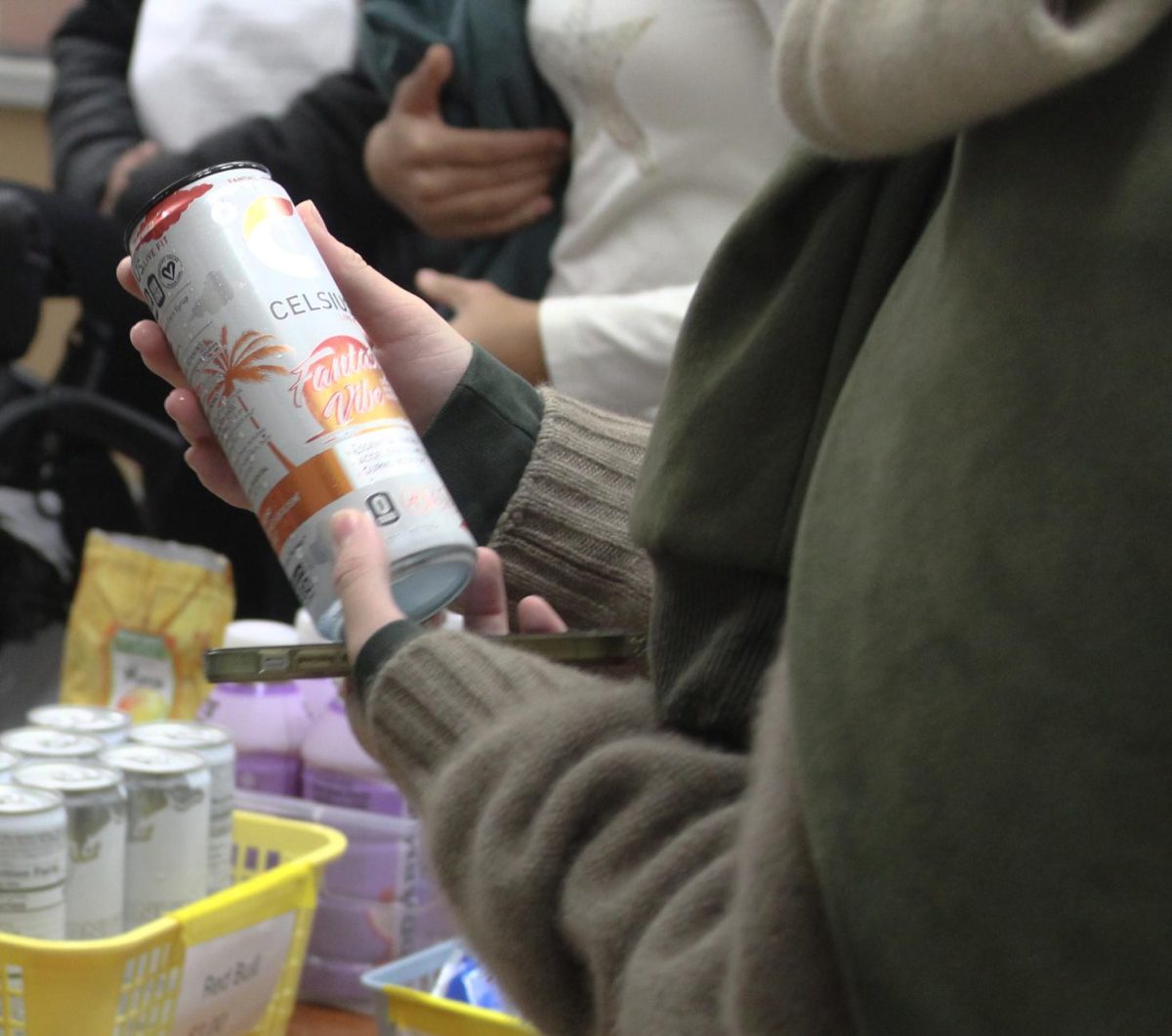
While Xu doesn’t drink any caffeinated drinks, Kinzer said she often drinks black tea once or twice a day, and sophomore Harley McGhee (she/her) said she often drinks three to five energy drinks a day, including Monster and Rockstar. McGhee said the energy drinks wear off and don’t affect her sleep much, despite drinking them throughout the school day. She prioritizes her sleep by finishing most of her homework in school, so McGhee said she gets significantly more sleep than the people around her on school nights.
“I get around 10 hours of sleep,” McGhee said. “I make sure to get a lot of sleep, because when I don’t, I’m grumpy.”
Additionally, McGhee said it’s hard to do school work for those who are tired throughout the day, which could affect their grades. She said she sees many students who have trouble staying awake throughout the school day.
Sophomore Olivia Pearson (she/her) said that she doesn’t want to do more work after she comes home from school, so she often procrastinates. As a result, she stays up working on homework and goes to sleep later at night.
“I’m usually tired, but it’s bearable,” Pearson said. “When I don’t get enough sleep, I’m less focused in school, but it doesn’t impact me a concerning amount.”
While Pearson said she can often focus in school, she said a lack of sleep can affect her and her peers in other ways they haven’t realized.
“It can definitely cause them to fall asleep in school and not focus and also have less of a social battery, so not interacting with people as much,” Pearson said.
Xu said the majority of the factors affecting students’ sleep deprivation are inevitable. Pearson, however, said that some effects of tiredness could be reduced by changing a few daily habits and getting more rest. To people struggling with sleep deprivation, Pearson said to avoid procrastinating on schoolwork.
“We often put off sleep to the side, but it’s important in feeling mentally fresh the next day,” Xu said. “If you see me zoned out during school, just know I probably only slept a few hours.”